
Find Life Policy Options Once Your Need Is Mapped in Orange, TX
Answer a few questions in our short form about what you want your cover to do. The agent who covers your area then follows up with term life or whole life options matched to those answers. People in Orange, Bridge City and Vidor all start the same way: with the need first and a policy name second.
- Your need looked at first
- Term and whole life
- One set of answers
- No pressure to decide
Coverage options for Orange families
Answer six short questions and a licensed agent will follow up with options that fit your situation.
- Takes about two minutes
- No obligation to buy
- Your details stay private
Free, no obligation
See your coverage options
Six short questions. About two minutes.
Term Life and Whole Life, Side by Side
Term life covers a set stretch of years, often matched to a home loan or to the years children depend on your paycheck, and pays your beneficiary if you die before that stretch ends. Whole life stays in force for as long as you live and builds cash value, a feature of the policy the agent who follows up can explain. Since each one answers a different need, the purpose of the money gets settled before the kind of policy. The Term Life Insurance and Whole Life Insurance pages cover each one in detail.

Term Life Insurance
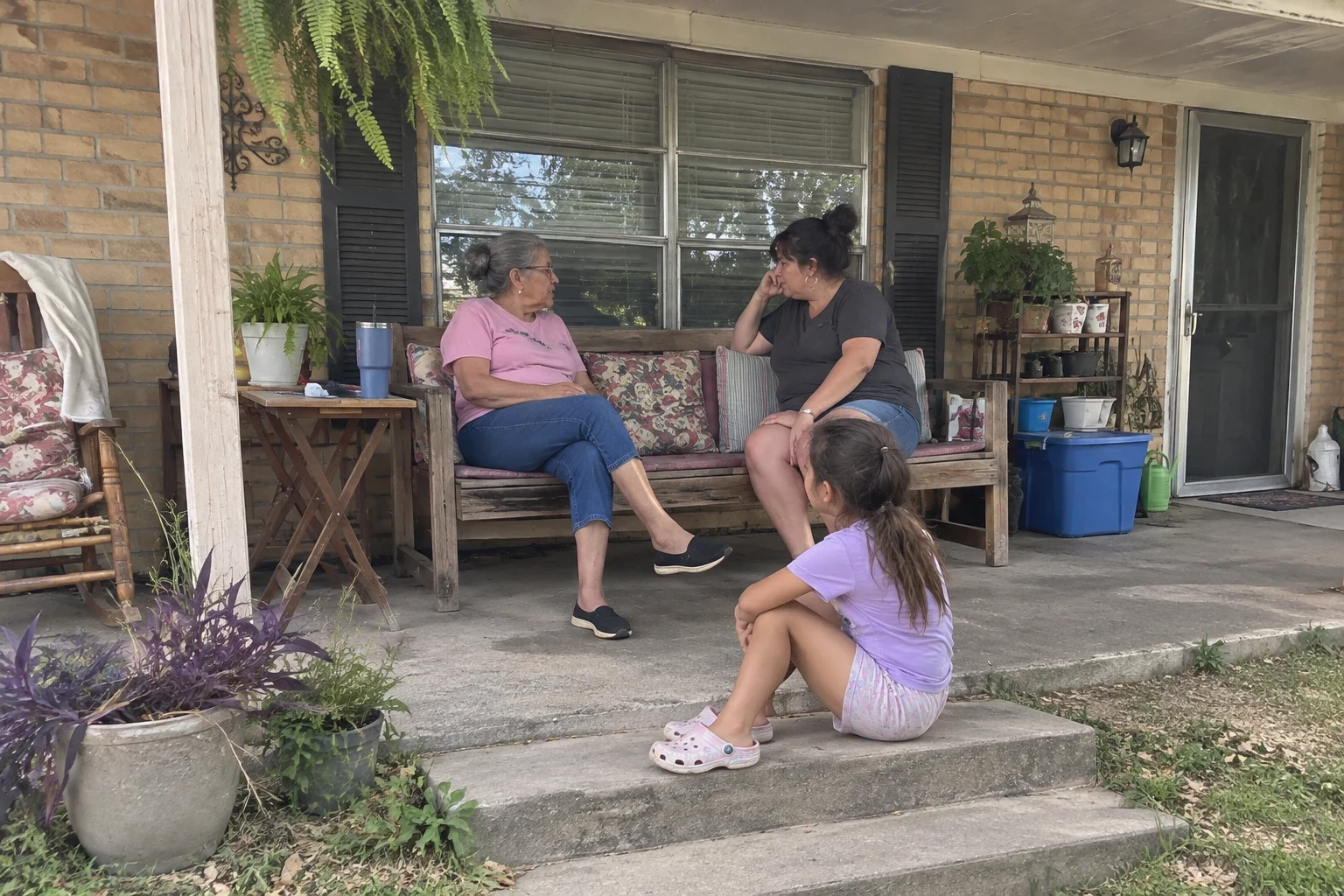
Cover for a set number of years, often 10, 20 or 30, sized to the years your family relies on your income or a loan is still being paid.
Whole Life Insurance
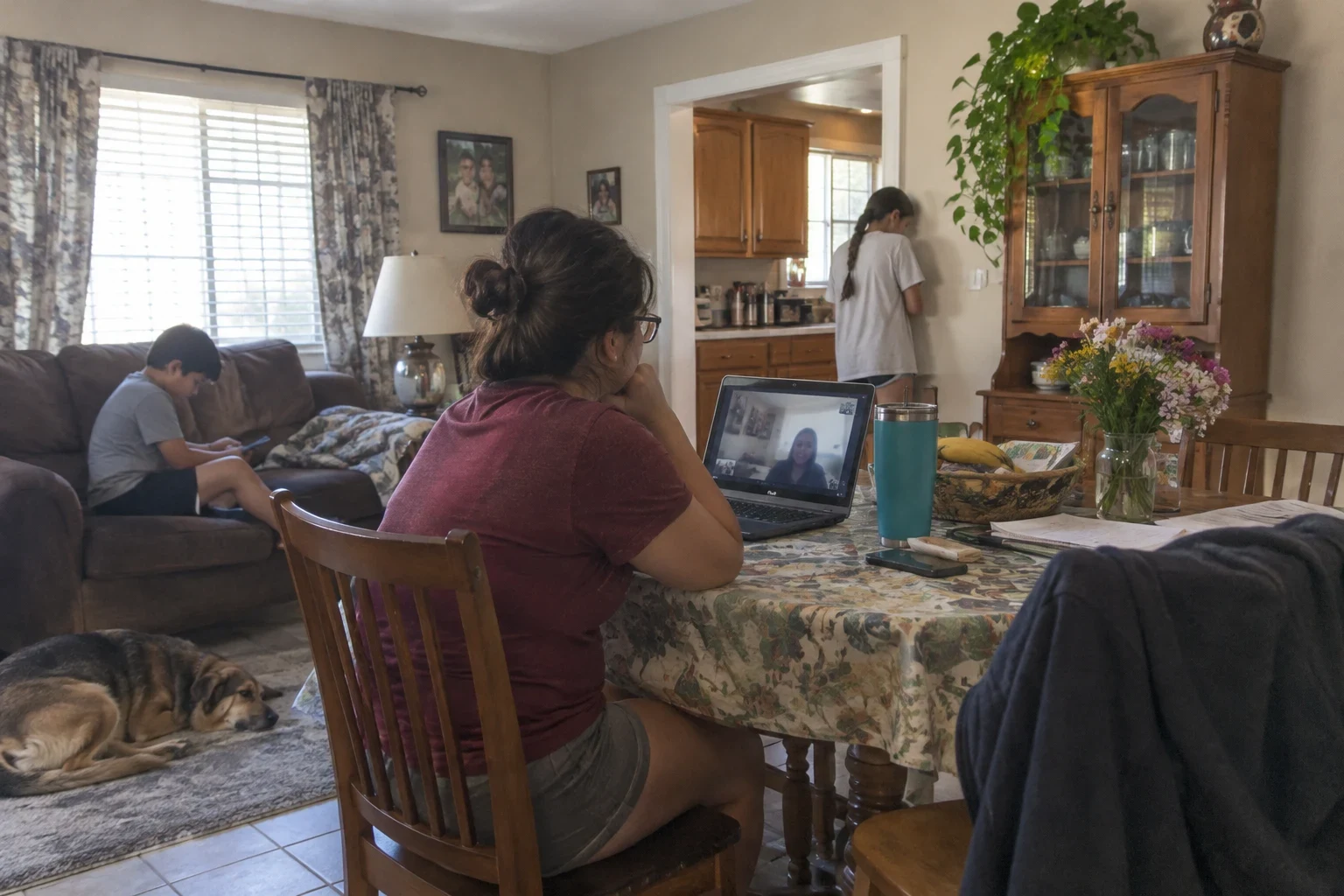
Coverage that lasts for life and builds cash value, explained part by part so you know what you are looking at before you speak with an agent.
What We Are, in Plain Words
Life Insurance Orange TX is a free service that puts you in touch with a licensed life insurance agent in Texas who covers your town. We are not an insurance company or an agent. We never sell, price or issue a policy, and our part is finished once your details reach the right person.
So they can follow up, your answers go to the licensed agents and partner companies who handle requests like yours. Sending them does not commit you to anything. The About page goes further into who will be in touch and how your details are treated.
What Happens After You Send Your Answers
Four steps carry you from a few answers to a choice made on your own schedule. Nothing gets filed or signed unless you decide to apply.
- 1
Answer a few questions
You tell us your state and how to reach you, then the rough amount you are considering, who would receive it, your marital status and your date of birth. Most people finish in about two minutes.
- 2
The agent looks at your need
An agent who covers your town contacts you and begins with the purpose of the money: the income it would stand in for, the debts it would pay off and any cover already in place. You hear what that review turns up before a single policy is named.
- 3
Options laid out plainly
You receive the kinds, amounts and lengths that match those findings, with the reasoning for each. Compare them, ask anything and take whatever time you need.
- 4
Applying, if you choose to
An application means answering health questions, and some also call for a medical exam. A few policies are issued with no exam at all; they usually carry a higher price or a smaller amount. The insurance company reviews your application, decides on approval and sets the final price, so nobody can promise the result ahead of time.
What Moves the Price of a Policy
A life policy's price usually comes down to six things. Seeing how each one works makes the options you get back easier to follow. It also separates what you can change, such as the amount or the term length, from what you cannot.
You will not find a figure on these pages, since no single number fits everyone. Your price depends on your own age, health, amount and type of policy, and it is set only after an application has been reviewed.
- Age when you apply
- Insurers price a policy from your age on the application date, since the cost is spread across the years when a claim might arise. Buying the same amount later usually means paying more for it.
- Health
- You answer questions about past and present conditions, and a medical exam may add measured results such as blood pressure. Insurers use all of it to judge risk, so honest, complete answers count.
- Tobacco use
- Every application asks about tobacco by name. People who smoke, vape or chew usually land in a costlier price class than people who do not.
- The amount of cover
- The bigger the payout, the bigger the premium. Sizing the amount from actual debts and years of income keeps you from paying for cover you do not need.
- Length of the term
- With term life, each added year is one more year the insurer may have to pay, which pushes the price up. Setting the length to match the need, like the years remaining on a home loan, avoids paying for time you may not want covered.
- Kind of policy
- Put the two side by side at an equal amount of cover and whole life generally carries the higher premium, because it lasts for life and builds cash value while term life ends after a set stretch. The difference follows from the separate jobs each one is built to do.
How We Work Before Any Policy Comes Up
We start with a careful look at what your cover has to do, and the findings come before any recommendation. A policy sized to the wrong need costs money every month without solving the problem it was bought for.
Questions about the need, not the sale
The form asks for the details that actually size cover: the amount you have in mind, who you would name, your marital status and your date of birth. Those answers set the starting point, so the first conversation is about your situation rather than a product.
Plain findings before options
The agent who contacts you can go over your income, your debts and any cover you already hold, then tell you what that picture shows. If an existing policy already meets most of the need, that is worth hearing before anything new is suggested.
One set of answers
You send your details once. They reach an agent who covers where you live, so you are not repeating the same story to a string of strangers.
The decision stays with you
Options come with the reasons behind them: why a certain amount, why a certain length, why one kind over the other. You can ask questions, take time to think, or stop at any point.
Questions People Ask Before They Start
Something not covered here? Ask us
Does it cost anything to use, and do I have to buy a policy?
No. Using the service is free, and sending your answers does not bind you to buy anything. The agent who gets in touch sets out options, and you decide whether to apply, wait or leave it there. Plenty of people take a week or two before deciding.
How do people work out how much cover to look at?
One common rule of thumb adds several years of income to any debts, such as a home loan. Treat it as a rule of thumb, not advice for you. As an example only: the 2023 American Community Survey lists the median household income in Orange, TX as $60,183 and the median home value as $147,200, with 58% of homes lived in by their owner. A household at that income would multiply it by the years of income it wants replaced, then add what remains on the house and any other loans. Your figures will be different, and the agent who follows up can go through them with you.
I already have some life cover. Should I mention it?
Yes. Tell the agent about every policy you hold, including one through your job, so they can see how much of the need is already met. Any new policy can then be sized to fill only the gap rather than overlap what you already pay for.
Is a life insurance payout taxed as income?
Federal law generally does not treat a payout to a named beneficiary as taxable income. Every situation is different, so check your own case with a tax adviser. The part you control is naming the beneficiary clearly and updating that name when life changes.
What if I buy a policy and then change my mind?
Policies come with a free-look period that lasts at least 10 days. If you cancel during that time, your premium comes back to you. The exact number of days is written in the policy, so look for it when the documents arrive, and spend those days checking the amount, the beneficiary and the length of cover.
Why does the form ask for a beneficiary name and date of birth?
Those answers shape the options before anyone speaks with you. Your date of birth fixes the age your price starts from, while the beneficiary name and marital status show who the money is for. The amount you type in is just a starting point and can go up or down once the need has been looked at.
Towns We Connect
We connect people in Orange, TX along with West Orange, Bridge City, Vinton, Mauriceville, Vidor, Port Arthur, Groves and Port Neches. Whichever town you call home, the steps match: a few short questions, a careful look at what the money is for, and options from an agent who works where you live.
- Orange
- West Orange
- Bridge City
- Vinton
- Mauriceville
- Port Arthur
- Groves
- Port Neches
- Vidor
On the Service Areas page you will find every town we cover and the parts of the process that never change.

Start With What Your Cover Has to Do
Send a few answers when you have a quiet moment. You will hear back with options and the reasons behind them, and nothing moves forward unless you decide it should.